If you’ve ever commissioned user-generated content (UGC) and the final video just… missed the mark, the issue probably wasn’t the creator. It was the brief.
A weak brief leads to vague, random content that doesn’t convert. A strong one? It sets your creators up for success, content that feels authentic, builds trust and drives results.
At Creator Flow, as a UGC platform, we’ve powered thousands of UGC campaigns for Aussie brands. The best briefs we’ve seen all share the same DNA: they’re simple, focused and creator-friendly.
This guide, prepared by our UGC experts, will show you exactly how to write a results-driven UGC brief (with real examples), so your next campaign hits the mark.
What is a UGC Brief?
For beginners, a UGC brief is your roadmap. It tells creators what they need to know to deliver content that’s on-brand, authentic and effective.
A proper UGC brief should include:
- ✅ Brand name + quick one-liner
- ✅ Product name + what it does
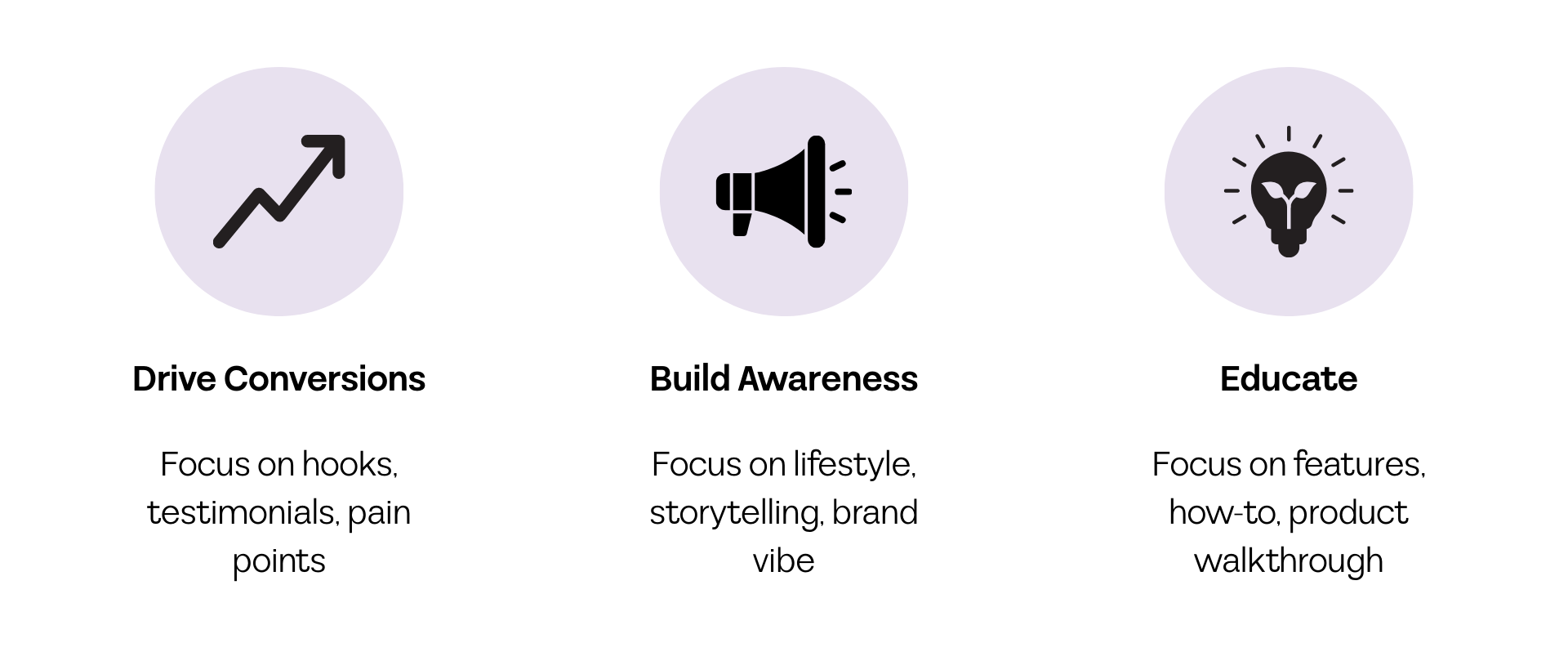
- ✅ Campaign goal (sales, awareness, trust, etc.)
- ✅ Key features & benefits to highlight
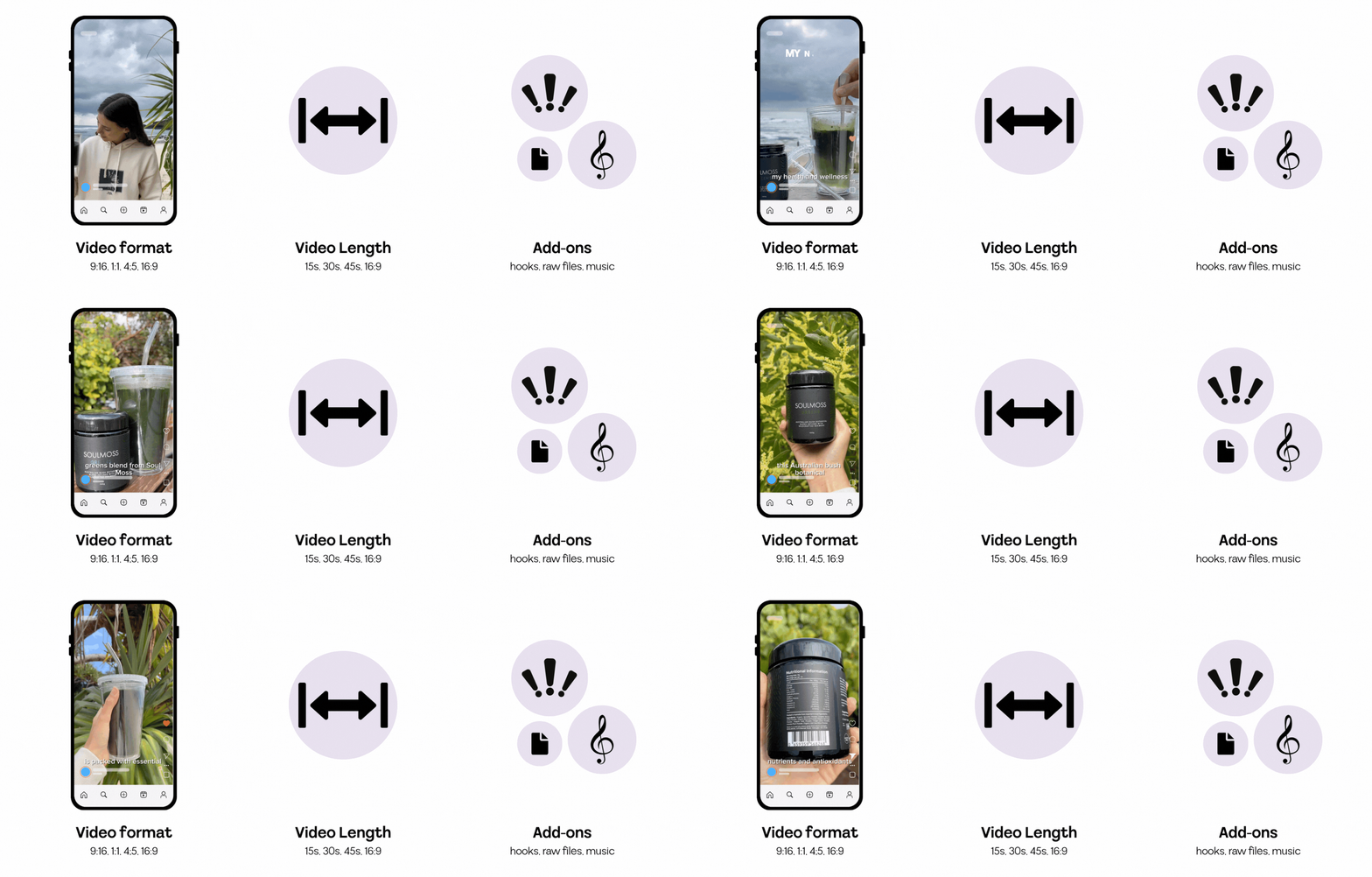
- ✅ Deliverables (video length, format, extras)
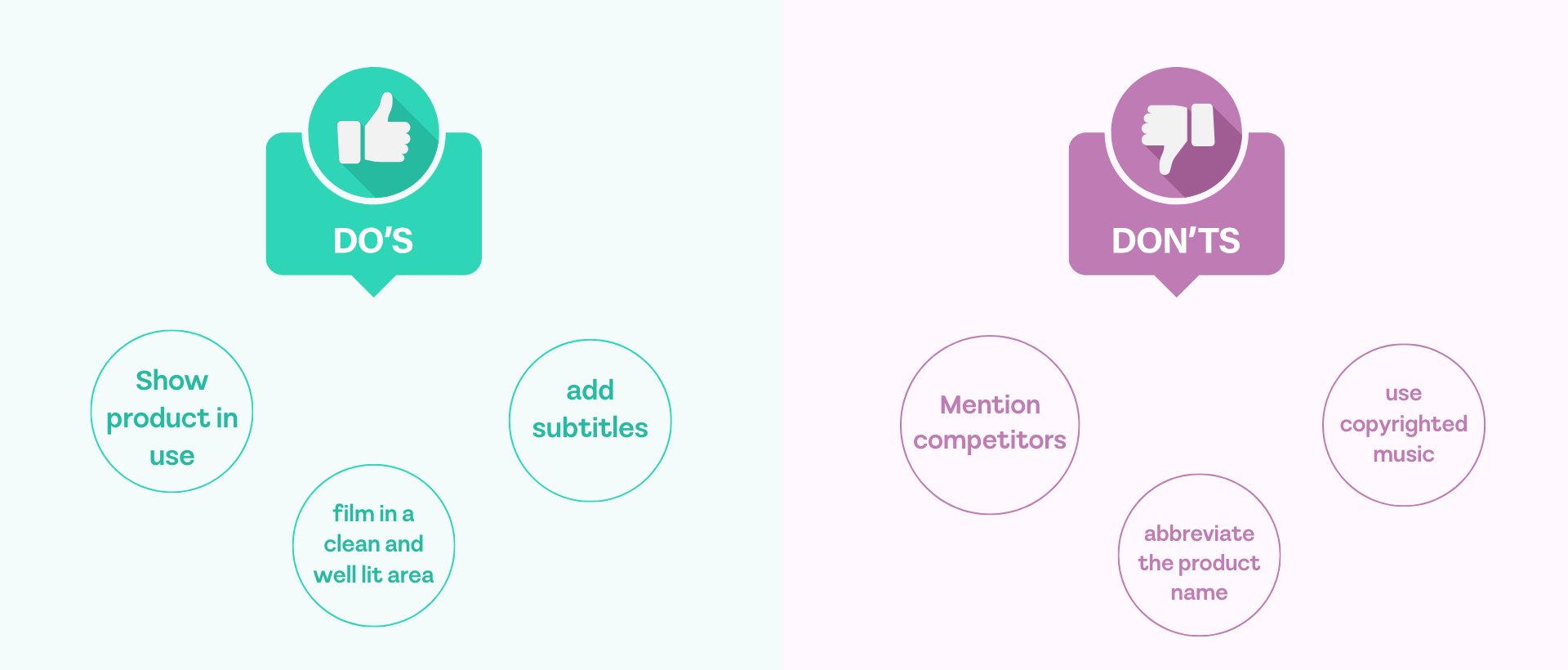
- ✅ Do’s & Don’ts (brand tone, rules, restrictions)
Think of it as a cheat sheet for success, clear direction + creative freedom.
This is an example of a weak UGC Brief:
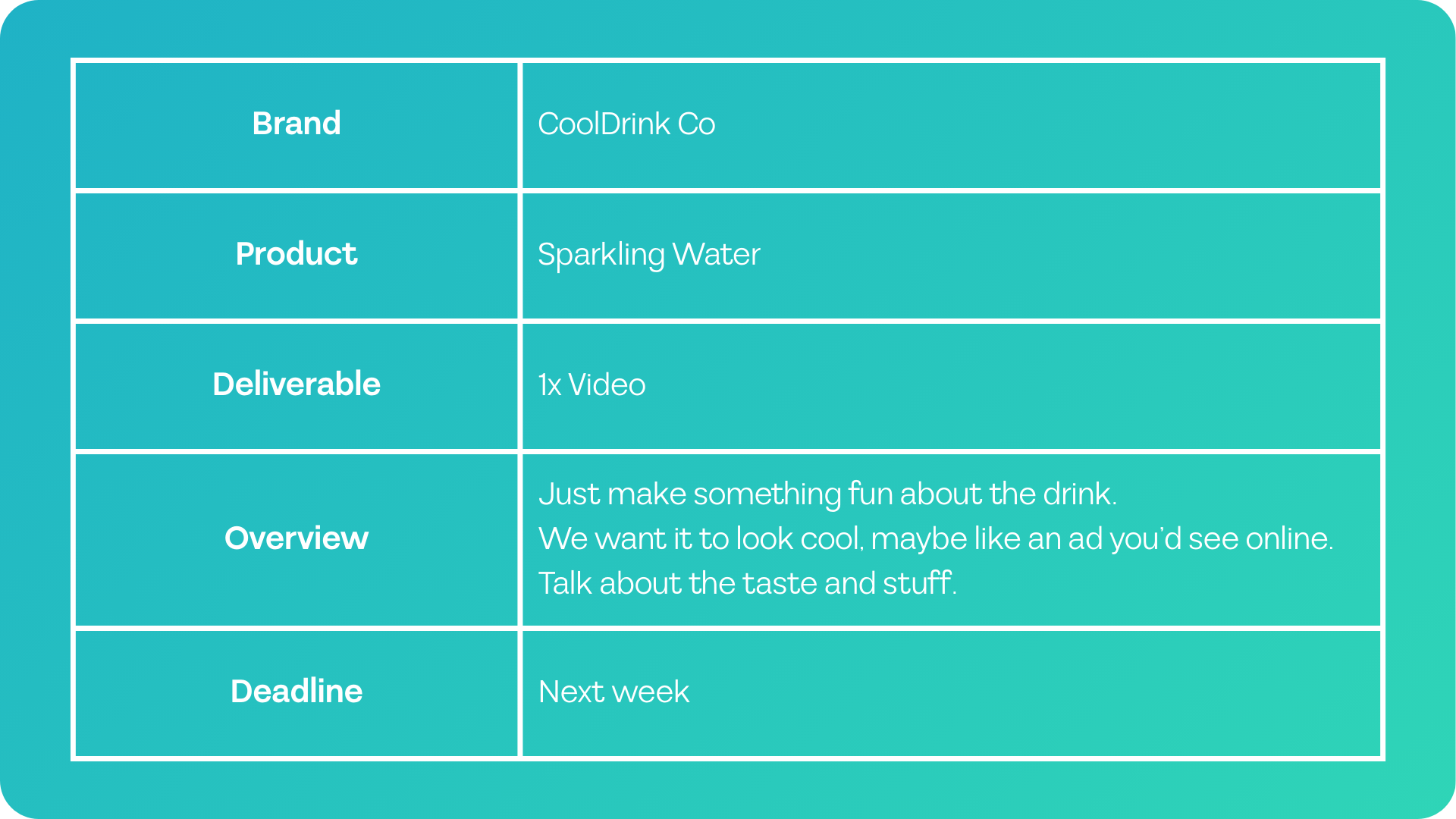
Here is why it’s weak:
- Too vague: “Make something fun” gives creators no real direction.
- No clear goal: Is it awareness, sales, TikTok engagement? Nobody knows.
- No key messages: What’s unique about the product? Zero info.
- Missing rules: No tone guidance, no dos/don’ts, no format clarity.
- No inspo/example: Creators are guessing the vibe.
- Unclear deadline: “Next week” = confusion.
How to Write a Winning UGC Brief
1. Start With the Basics
Skip the corporate fluff. Creators don’t need your annual report, they need quick, clear context.
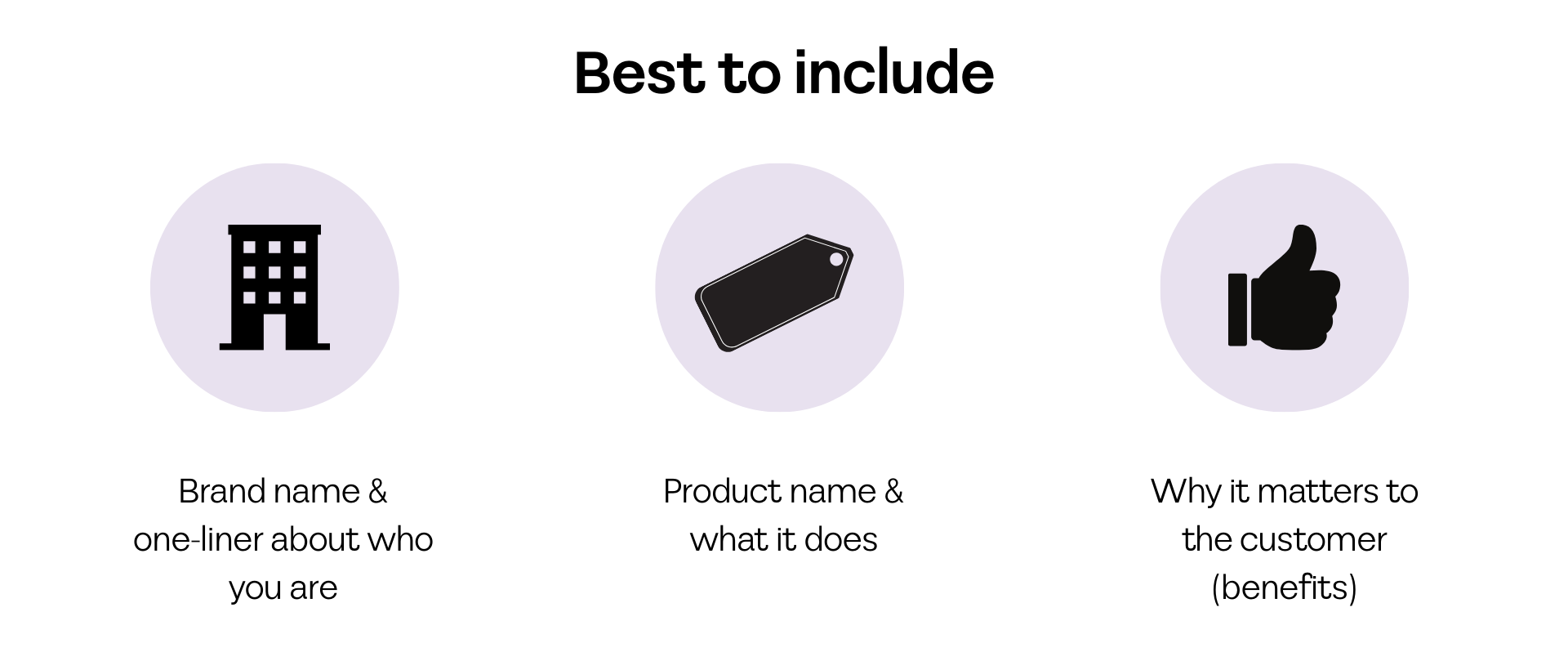
👉 Example: CoolDrink Co is an Aussie sparkling water brand made with natural flavours and zero sugar. Designed for health-conscious people who want bubbles without the guilt.