
UGC Creator vs Influencer: What’s the Real Difference for Brands?
UGC creators produce brand-owned content for ads and socials. Influencers sell audience reach. Learn the key differences for brands.
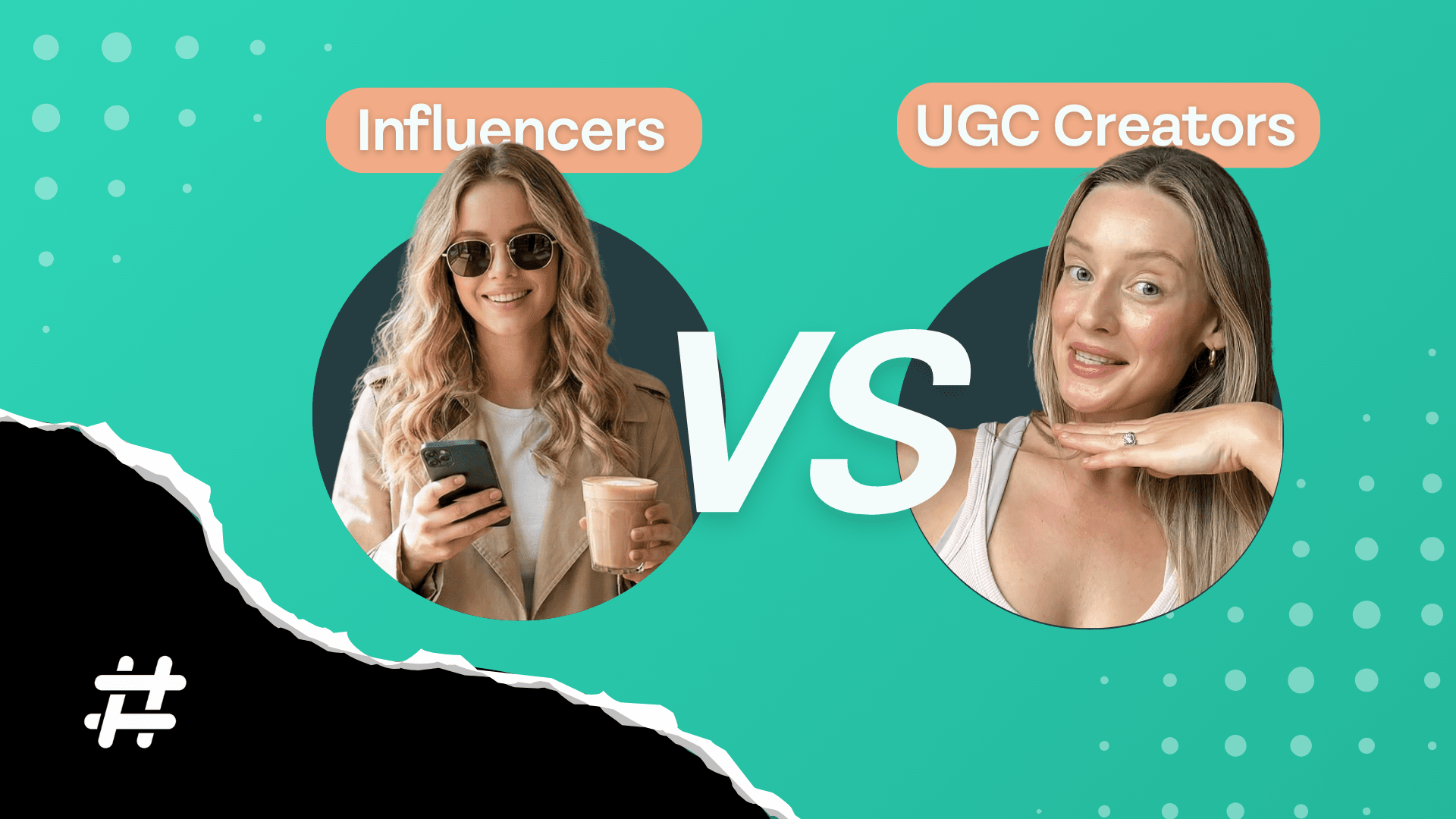
UGC creators produce brand-owned content for ads and socials. Influencers sell audience reach. Learn the key differences for brands.
If you work in marketing, chances are you’ve heard both terms used interchangeably. A brand says they want “UGC”, an agency briefs an “influencer”, and somewhere along the way, expectations get muddled.
The confusion between a UGC creator and an influencer is common, especially for Australian brands and agencies running paid ads or managing multiple campaigns at once. On the surface, both create content for brands. But in practice, they serve very different purposes.
Understanding the difference between UGC creators and influencers matters more than ever. With rising ad costs, tighter timelines, and greater scrutiny around performance, choosing the wrong model can lead to wasted spend, missed objectives, and content that simply doesn’t do the job.
This guide breaks down the UGC creator vs influencer debate clearly, so you can decide what actually makes sense for your campaigns.
What Is a UGC Creator? A UGC creator is someone who produces content for brands, but does not distribute that content to their own audience. Their role is focused entirely on creating high-quality, brand-ready assets that the brand owns and uses across its own channels.
When people ask “what is a UGC creator?”, the simplest answer is this: they are content creators, not media channels.
What do UGC Creators Produce? UGC creators are paid to create content only. That content might look like it was filmed casually, but it’s created intentionally for performance and usability.
Common formats include:
- Short-form video for paid ads
- Product demos and explainers
- Testimonial-style videos
- Lifestyle footage
- Unboxings or how-to clips
Once delivered, the brand owns the content and can use it wherever needed, subject to agreed usage rights.
Typical Use Cases UGC content for brands is most often used in:
- Paid social ads across Meta, TikTok, YouTube Shorts
- Website product pages
- Landing pages
- Email marketing
- Organic social posts on brand-owned accounts
UGC creators are especially valuable when content needs to be produced consistently, at scale, and with a clear performance goal in mind.
What Is an Influencer? An influencer is a creator who is paid for access to their audience. Their value lies in reach, distribution, and the relationship they have built with their followers.
In an influencer vs UGC comparison, the key distinction is this: influencers sell attention, not just content.
Focus on Audience and Distribution
Influencers are hired because:
- They have an existing audience
- Their followers trust or engage with them
- Their platform can amplify a brand’s message
The content they create is usually posted on their own channels, whether that’s Instagram, TikTok, YouTube, or another platform.
Typical Use Cases Influencers are commonly used for:
- Brand awareness campaigns
- Product launches
- Partnerships and collaborations
- Long-term ambassador programs
Their strength is reach and credibility within a specific community, not content production at scale.
Key Differences Between UGC Creators and Influencers
Content Ownership
- UGC creators: Brands typically receive full digital usage rights. The content becomes a brand asset.
- Influencers: Content is often licensed for limited use, if at all, beyond the original post.
This difference alone can have a major impact on long-term value.
Posting vs Non-Posting
- UGC creators: Do not post to their own channels.
- Influencers: Are expected to publish content to their audience.
If your campaign relies on distribution, influencers make sense. If it relies on creative assets, UGC creators are the better fit.
Pricing Models
- UGC creators: Fixed pricing per deliverable. Costs are predictable and easier to scope.
- Influencers: Pricing varies widely based on follower count, engagement, exclusivity, and timing.
For agencies managing budgets across multiple clients, this difference matters.
Performance Expectations
- UGC creators: Content is built for performance. Success is measured through metrics like CTR, CPA, and conversions when used in ads.
- Influencers: Performance is usually measured in reach, impressions, and engagement.
UGC for paid ads is designed to be tested, iterated, and optimised. Influencer content is less flexible once live.
Speed and Scalability
- UGC creators: Easier to scale quickly. Multiple creators can produce variations in parallel.
- Influencers: Slower to coordinate and harder to scale consistently.
This makes UGC creators particularly useful for always-on ad accounts.
Risk and Compliance Considerations
- UGC creators: Lower risk when content is used as ads with clear usage rights.
- Influencers: Higher compliance considerations around disclosures, claims, and platform rules.
For regulated industries or performance-focused campaigns, this difference is significant.
Here are some examples of UGC Creators
-
Chris Kovacic

-
Sophia Calvi

-
Dani Slade

When Brands Should Use a UGC Creator
UGC creators are the right choice when the goal is efficiency, consistency, and performance.
Paid Social Ads If your primary goal is conversions, UGC for paid ads is often more effective than polished brand commercials or influencer posts. It integrates seamlessly into feeds and allows for rapid testing.
Testing Creatives at Scale UGC creators allow brands and agencies to:
- Test multiple hooks
- Rotate formats
- Refresh creatives frequently
This is critical in performance marketing environments.
Agencies Managing Multiple Clients For agencies, UGC creators offer:
- Predictable pricing
- Repeatable processes
- Easier briefing and delivery
This reduces operational overhead and client risk.
Brands That Need Content Fast and Consistently If you’re running campaigns year-round, UGC creators provide a steady pipeline of usable assets without relying on individual personalities.
When Influencers Make More Sense Influencers still play an important role, but in specific scenarios.
Awareness Campaigns When the goal is exposure rather than immediate conversion, influencers can introduce a brand to new audiences.
Community-Building Influencers are effective when trust and ongoing engagement matter more than immediate performance.
Credibility Through Audience Trust In categories where recommendations carry weight, influencer partnerships can add credibility that ads alone cannot provide.
Common Myths and Misconceptions
“UGC Creators Are Micro-Influencers” This is one of the most common misunderstandings. UGC creators are not defined by follower count. Many don’t prioritise growing an audience at all.
“Influencers Always Perform Better” Influencers can drive awareness, but that does not automatically translate to conversions. In many cases, UGC content outperforms influencer posts when used in paid media.
“UGC Is Only for TikTok” UGC content is used across Meta, YouTube, websites, and landing pages. It’s a content style, not a platform-specific tactic.
How Creator Flow Fits In Creator Flow is a UGC marketplace, not an influencer platform.
Brands and agencies use Creator Flow to source creators who produce content specifically for ads and brand-owned channels. Creators on the platform are briefed to deliver content assets, not audience distribution.
The platform is designed to support:
- Fixed, transparent pricing
- Clear deliverables
- Defined usage rights
- Scalable content production
This makes it easier for teams to plan campaigns, manage budgets, and build repeatable UGC workflows without relying on influencer reach.
New to UGC? Explore 3,000+ high-performing videos from our vetted creators and see what’s working.Head to our UGC Ads Library and get your first UGC live.
In Short The difference between a UGC creator and an influencer comes down to purpose.
If you need reach, community, and exposure, influencers can play a valuable role. If you need content that performs, scales, and integrates into paid campaigns, UGC creators are often the better choice.
Understanding the UGC creator vs influencer distinction helps brands and agencies avoid mismatched expectations and build campaigns that align with real goals.
If your focus is performance, testing, and consistent content production, exploring UGC creators is a practical next step.